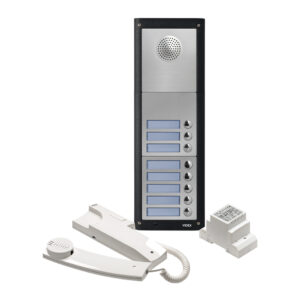
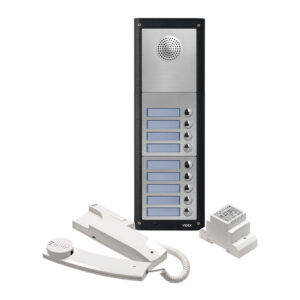
What Are Wired Audio Intercoms?
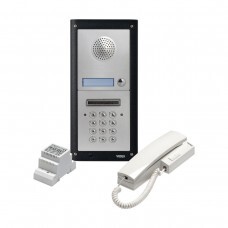
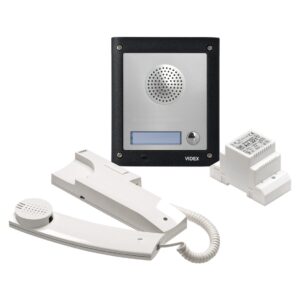
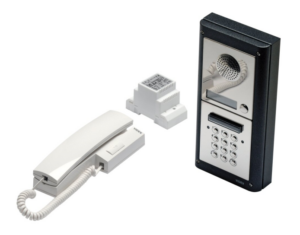
Wired audio intercoms are two-way communication systems where each unit — the outdoor call station and the indoor handset — is connected by a dedicated cable. This physical connection delivers consistently clear audio quality that does not degrade over time, is not affected by Wi-Fi congestion, and does not rely on a battery or wireless signal to function. For gate and access control applications, this makes them the straightforward, dependable choice.
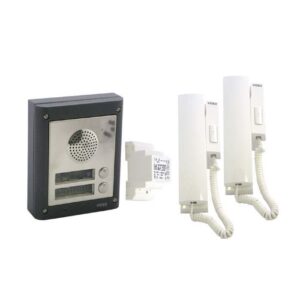
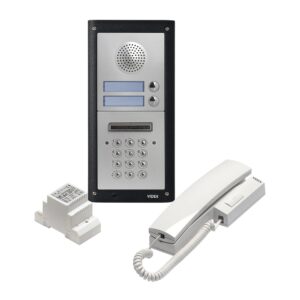
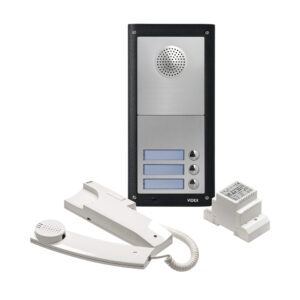
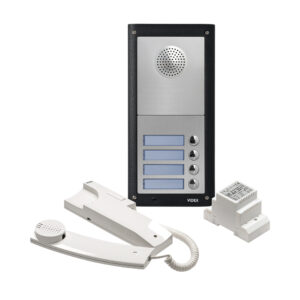
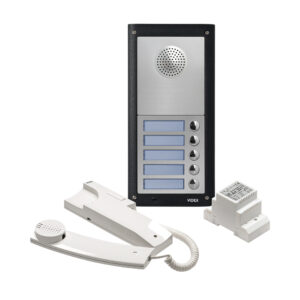
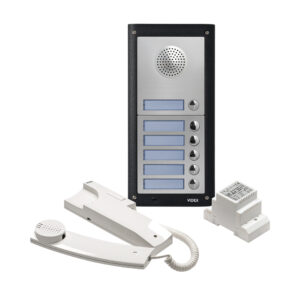
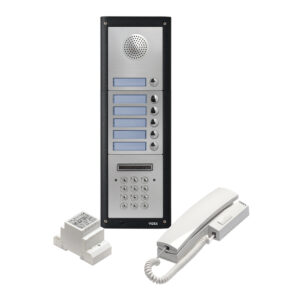
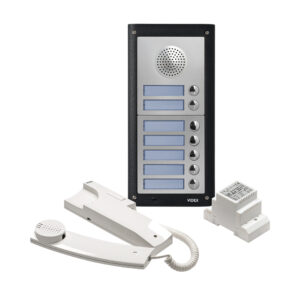
Hard-wired audio intercoms are available in a range of configurations to suit different site requirements. A basic domestic setup typically consists of one outdoor call panel and one internal handset. More complex installations can include multiple call stations, multiple internal handsets, and integration with gate automation controls, allowing visitors to be granted entry directly from the handset. If you are planning a new electric gate installation, it is worth reading our guide on choosing an electric gate kit to understand how intercoms fit into the wider system.
Analogue vs Digital Wired Audio Systems
Analogue wired audio intercoms use a straightforward two-wire or multi-wire connection and have been the industry standard for decades. They are simple to install, easy to fault-find, and widely compatible with existing cable infrastructure. Digital wired audio systems carry audio signals in a digital format over a bus cable, which can simplify multi-apartment wiring and offer enhanced audio clarity. Both types are available in our range, and our team can advise on which is best suited to your application.
Why Choose Wired Audio Over Wireless?
Wired audio intercoms offer a level of reliability that wireless systems simply cannot always match. Because the connection is physical, there is no risk of signal interference from neighbouring wireless devices, no dead zones caused by building materials, and no dependence on a broadband connection or mobile network. For professional installers and trade customers, this predictability is important — you know the system will perform consistently once commissioned, with minimal ongoing maintenance.
Range is another practical advantage. A well-installed wired audio intercom can cover cable runs of several hundred metres without any degradation in audio quality, making them particularly well suited to long driveway installations and larger commercial sites. Our blog on how to use your mobile phone as an intercom covers the wireless and app-based alternatives if you want to compare options directly.
Key benefits include: consistent, interference-free audio quality; reliable performance over long cable runs; no dependence on Wi-Fi, mobile signal, or batteries; low ongoing maintenance; compatibility with most electric gate automation systems; and suitability for single dwellings, multi-apartment buildings, and commercial sites.
How Do Wired Audio Intercoms Work With Electric Gates?
A wired audio intercom integrates with an electric gate system by connecting the outdoor call station to the gate control board, allowing a visitor to press the call button, speak to the property owner via the handset, and be granted entry by a gate release signal. This creates a complete, controlled entry system where communication and access are managed from a single point inside the property.
The intercom call station is typically mounted on a gate post or pillar at the entry point, with the cable running underground or along the fence line to the internal handset location. Most wired audio intercom systems include a door release output that can be wired directly into the gate automation control board. If you are new to electric gate systems, our article on what is an electric gate kit provides a useful introduction to how the different components work together.
Safety and Compliance
The installation of powered gate automation is regulated by the Supply of Machinery (Safety) Regulations, which recognises a powered gate as machinery. When integrating an intercom system with an automated gate, it is the installer’s responsibility to ensure the complete installation is safe and compliant. Our guide on how to make your electric gate safecovers the key safety requirements in detail, and we strongly recommend reading it before commissioning any automated gate system.
What Types of Wired Audio Intercom Systems Are Available?
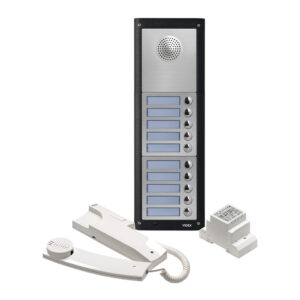
Single-dwelling systems are designed for one call point and one internal handset — the most common type for residential driveways and private gates. Multi-apartment systems allow each apartment or office to have its own handset, all connected to one or more outdoor call panels. Expandable or modular systems use a bus or loop wiring configuration that makes it easier to add additional handsets or call stations without a complete rewire, making them popular for phased projects or sites where future expansion is likely.
All of the wired audio intercom systems we stock are selected for their build quality, compatibility with common gate automation brands, and straightforward installation. If you are planning a DIY installation, our guide on DIY electric gate installation covers the practical steps involved in fitting gate automation and access control components safely.
Who Are Wired Audio Intercoms Suitable For?
Wired audio intercoms suit a broad range of customers. Residential homeowners with electric driveway gates benefit from the added security of screening visitors before granting entry. Landlords and property managers require reliable multi-apartment intercom systems as a fundamental part of building access control. Commercial and industrial sites use wired audio intercoms at vehicle and pedestrian gates to control site access efficiently.
Trade installers and contractors make up a significant part of our customer base. We are a trusted trade supplier with over 30 years of experience in the gate and access control industry, and we understand what professional installers need: reliable products, accurate specifications, and dependable availability. Get in touch with our team to discuss becoming a trade partner.
Frequently Asked Questions
What cable do I need for a wired audio intercom?
The cable type required depends on the specific intercom system you are installing. Most analogue wired audio intercoms use a multi-core cable, typically 4-core or 6-core, with a conductor size of 0.5mm or 0.75mm. Always refer to the manufacturer’s installation guide for the correct cable specification.
How far can a wired audio intercom cable run?
Most wired audio intercom systems will perform reliably over cable runs of 100 to 200 metres, and some digital systems can extend further. The maximum cable run will be specified in the product documentation. For longer runs, select a system specifically rated for extended distances or consult the manufacturer’s technical guidance.
Can I connect a wired audio intercom to my electric gate motor?
Yes, in most cases a wired audio intercom can be connected directly to an electric gate control board via a dry contact relay output on the handset. Compatibility varies between brands, so we recommend checking the intercom and gate motor specifications before purchasing, or contacting our team for advice.
Are wired audio intercoms suitable for blocks of flats?
Yes. Wired audio intercoms are widely used in multi-apartment buildings and are available in modular configurations that can accommodate a large number of individual handsets connected to one or more external call panels. These systems are robust, low-maintenance, and reliable in high-use environments.
Do wired audio intercoms require professional installation?
A wired audio intercom on its own does not carry the same regulatory requirements as a powered gate system. However, if the intercom is being integrated with electric gate automation, the complete installation must comply with the relevant machinery safety regulations. For straightforward single-dwelling installations, a competent DIY installer can complete the work, but we always recommend consulting a qualified installer for anything more complex.

 Pay in 3 interest-free payments.



 Shop Now, Pay with Klarna