What is a magnetic gate lock?
A magnetic gate lock, or maglock, holds a gate closed using an electromagnet rather than a bolt or latch. The magnet is fixed to the post or frame, an armature plate is fixed to the gate, and while the lock is powered the two hold together. When the access control system releases the lock, the magnet switches off and the gate is free to open. There are no moving parts, so there is nothing to wear, jam or seize, which is why maglocks are common on automated gates and busy commercial entrances.
Holding force: which size do you need?
Holding force is quoted in kilograms, and it describes the pull needed to separate the lock from the armature, not the weight of the gate.
- 180kg suits light internal doors and low-security applications.
- 300kg is the usual choice for internal doors and light pedestrian gates.
- 400kg to 500kg covers external gates, main entrances and anywhere the lock needs to resist a determined push.
For external gates, and for any gate that is wide, exposed to wind, or part of a security perimeter, specify the higher holding forces. If you’re unsure, our team can advise based on the gate’s size, weight and location.
Internal, external and monitored locks
- Internal maglocks are for doors and gates under cover, where the lock is not exposed to rain.
- External maglocks are built and sealed for outdoor use, which is what almost every gate installation needs.
- Monitored maglocks include a sensor that reports whether the lock is actually engaged, so the access control system or building management system knows the gate’s real state. On commercial and multi-occupancy sites this is usually specified as standard.
- Surface and flush mounting: surface-mounted locks fix to the face of the frame, while flush versions are recessed for a neater finish. Double maglocks are available where a pair of gates or doors needs a lock on each leaf.
Armature plates, housings and brackets
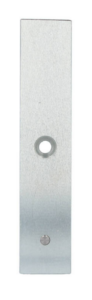
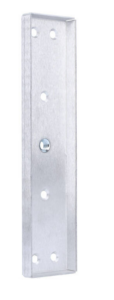
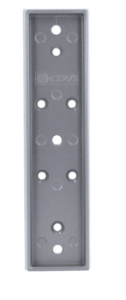
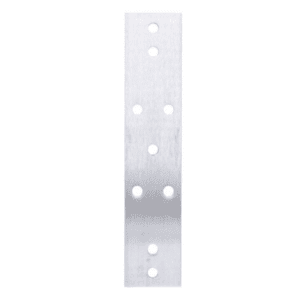
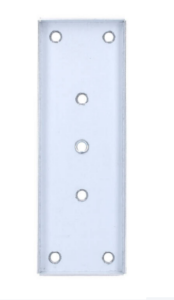
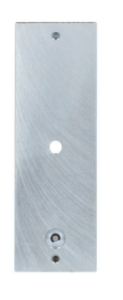
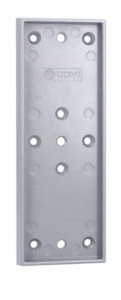
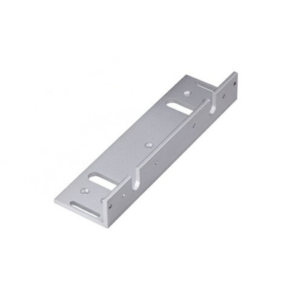
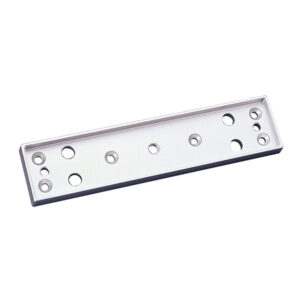
The armature plate is the steel plate on the moving leaf. Where the gate or frame doesn’t give a flat fixing face, a bracket makes the connection:
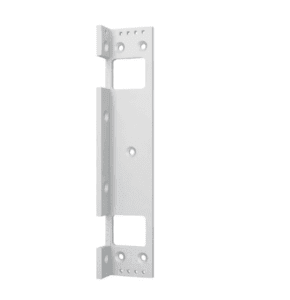
- L brackets mount the lock where there’s no header to fix to.
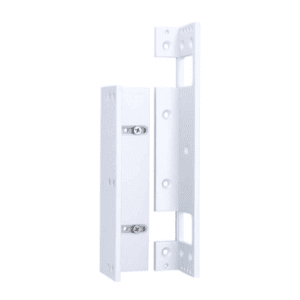
- Z&L bracket sets are used on inward-opening gates and doors.
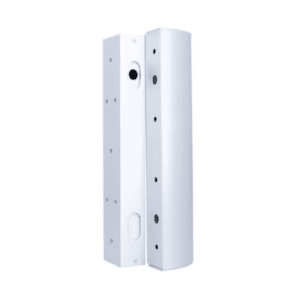
- Adjustable L brackets allow alignment on gates that aren’t perfectly square.
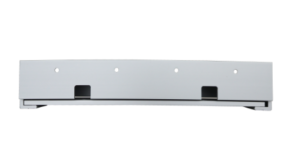
- Armature housings protect the plate on surface installations, in standard, economy and flush versions.
We stock replacement armature plates and housings for the 180kg, 300kg, 400kg and 500kg CDVI locks, so a worn or damaged plate can be replaced without changing the lock.
Electric locks, strikes and mortice releases
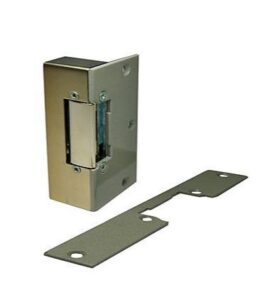
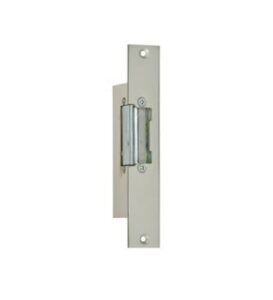
Where a maglock isn’t the right answer, an electrically released lock is the alternative. Electric strikes and mortice releases replace the keep or the latch, and unlock on a signal from a keypad, intercom, reader or push-to-exit button. They come in two fail states:
- Fail closed (fail secure): the lock stays locked if power is lost.
- Fail open (fail safe): the lock releases if power is lost.
Magnetic locks are always fail open by design, because they need power to hold. Which behaviour you need depends on whether the gate must stay secure or must allow escape when power fails. That choice should be made against the site’s fire strategy and escape routes, not on preference. If the gate forms part of an escape route, take advice from whoever is responsible for the fire risk assessment.
What else does an installation need?
- A power supply matched to the lock’s voltage. Our locks are 12V or 24V, AC or DC depending on the model, so check the specification.
- A release device: a keypad, proximity reader, intercom, or push-to-exit button inside the line.
- An emergency release, such as a break glass unit, where one is required.
- Gate automation compatibility: if the gate is motorised, the control panel usually handles lock timing. Check the panel supports the lock type and voltage before ordering.
Magnetic lock or mechanical lock?
A maglock needs power, an access control device and cabling to the gate, and it releases as soon as power is lost. A mechanical gate lock needs none of that and stays locked without power, which is why it suits manual gates and remote sites. If your gate has no power at it, see our mechanical gate locks. If the gate is automated or has access control, this page is the right one.
Why buy magnetic gate locks from Rolling Center?
We supply the locks, brackets, armatures and access control that work with them, so the parts you order are specified to work together, and we stock spares rather than only complete units. Orders placed before 3pm go out on next day delivery, with timed and direct-to-site options, and our technical team can confirm holding force, voltage and bracket type before you order.
FAQs
What holding force maglock do I need for a gate? For external gates, 400kg or 500kg is the usual specification. 300kg suits lighter pedestrian gates and internal doors, and 180kg is for light internal use. Holding force describes resistance to being pulled apart, not gate weight, so allow for wind loading on wide or exposed gates.
Can a magnetic lock be used outside? Yes, provided you choose an external model. These are sealed for outdoor conditions. An internal lock fitted outside will fail early.
What happens to a maglock in a power cut? It releases. A magnetic lock needs power to hold, so the gate is free to open when power is lost. If the gate must stay locked without power, use a mechanical lock or a fail closed electric lock instead.
What is a monitored magnetic lock? A monitored lock includes a sensor that confirms whether the lock is engaged, and reports it back to the access control or building management system. It’s commonly specified on commercial and multi-occupancy sites.
What is the difference between fail safe and fail secure? A fail safe (fail open) lock releases when power is lost. A fail secure (fail closed) lock stays locked. Which you need depends on the site’s fire and escape requirements, so check against the fire risk assessment.
Do I need a bracket with my maglock? Only if the gate or frame doesn’t give a flat fixing face for the lock and armature. L brackets, Z&L sets and adjustable brackets cover the common situations. Send us a photo of the gate and post if you’re unsure.
Can I replace just the armature plate? Yes. We stock replacement armature plates and housings for the 180kg, 300kg, 400kg and 500kg locks.

 Pay in 3 interest-free payments.



 Shop Now, Pay with Klarna