Rolling Center UK has been supplying gate automation systems to trade installers and homeowners for over 30 years. From a single residential swing gate opener to a full commercial installation with barriers, bollards and access control, we carry motors, control units and safety accessories from trusted manufacturers including Nice, BFT and Roger Technology.
What Is Gate Automation and How Does It Work?
Gate automation is the motor and control system that turns a manually operated gate into a powered one. A typical system pairs a motor (mounted above or below ground, depending on the gate type) with a control panel that manages the opening and closing cycle, plus a power source and one or more safety devices — photocells, safety edges or both — that stop the gate if something is in its path. Access is then controlled by remote, keypad, intercom or smartphone app, depending on what you choose to add.
What Types of Gate Automation Are Available?
- Swing Gate Automation — above-ground and underground kits and openers, hydraulic options, articulated kits for gates with limited swing space, and pedestrian gate kits for smaller side gates.
- Sliding Gate Automation — motors, control units, fixing kits, brackets and limit switches for track-mounted or cantilever sliding gates.
- Barriers — kits, control panels and booms for controlling vehicle access on commercial and residential sites.
- Bollards — rising electromechanical, rising hydraulic and manual gas variants, with control panels, for sites that need a removable vehicle barrier rather than a gate.
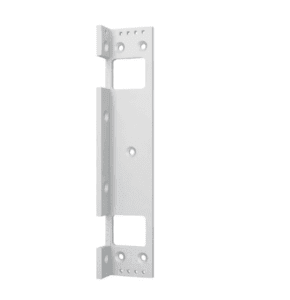
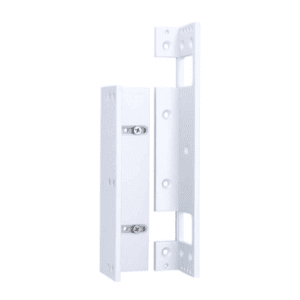
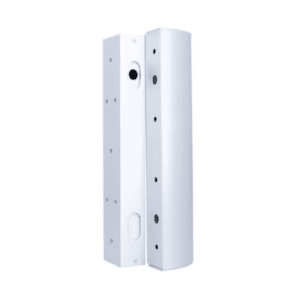
- Gate Locks — magnetic locks for pedestrian gates and secondary access points.
- Gate Safety & Security — pre-made safety edges, safety edge components, wireless transmission kits and photoelectric sensors, which are essential rather than optional on a powered gate.
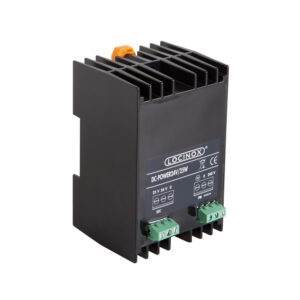
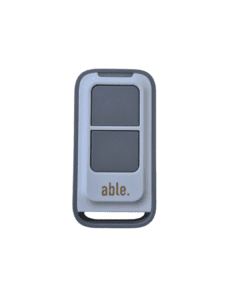
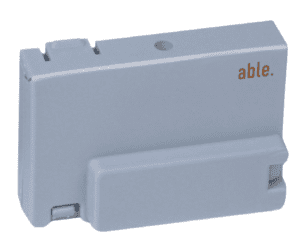
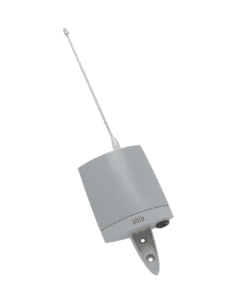
- Accessories — photocells, keypads, receivers and transmitters, power supplies and batteries, timers and relays, and the enclosures, brackets and cabling needed to install them properly.
Which Gate Automation Is Right for You?
Sizing and compatibility matter more here than with most other categories, so a few questions are worth answering before you choose:
- How heavy and how wide is the gate? Motors are rated for both, and undersizing is the most common cause of a system straining or failing early.
- How often will it be used? A domestic driveway gate and a commercial entrance with frequent daily traffic need different duty cycles.
- What power source is available? Mains electricity is standard, but battery-backed and solar options exist for gates a long way from a supply.
- How do you want to open it? Remote controls, keypads, intercom integration and smartphone apps can all be combined on most systems.
For more on siting, foundations and wiring, see our guides to planning a swing gate installation, planning a sliding gate installationand planning a barrier installation.
Gate Automation vs Barriers and Bollards: Which Do You Need?
Automated gates suit sites where you want a full physical boundary that opens and closes. Barriers are a faster, lower-cost way to control vehicle access where a complete enclosure isn’t necessary — common on commercial sites and car parks. Bollards go a step further, offering a removable or retractable obstruction for sites that need occasional vehicle access with strong anti-ram security in between. Many commercial sites combine more than one — a gate for the main boundary and a barrier or bollard for a secondary access point.
Safety and Compliance for Powered Gates
Powered gates are covered by the Supply of Machinery (Safety) Regulations 2008 and the safety standards referenced within them, including BS EN 12453 and BS EN 12445, which set out requirements for safe operation and obstacle detection. In practice, this means a compliant installation needs an appropriate safety device — photocells, a safety edge, or both — and, in most cases, a risk assessment carried out by the installer. See our safety guidance for more detail; if you’re installing commercially or are unsure what your specific gate needs, our team can talk you through it.
Why Buy Gate Automation from Rolling Center UK?
We’ve supplied gate automation for over 30 years and are Yorkshire and the North of England’s largest gate hardware and automation supplier, rated 4.8/5 on Google. We carry motors and control systems from established manufacturers including Nice, BFT and Roger Technology, alongside the safety accessories that make an installation compliant, and our team can help you size a system correctly before you buy rather than after.
Explore Related Categories
Frequently Asked Questions
Can I install gate automation myself?
It’s possible for a competent DIYer on a straightforward residential gate, but the safety assessment and electrical work are where most people bring in a professional. Commercial installations should always be installed and certified by a qualified installer.
What’s the difference between above-ground and underground swing gate motors?
Above-ground motors mount visibly to the gate and post and are generally simpler and cheaper to install and service. Underground motors sit in a foundation box beneath the gate, which keeps the mechanism hidden but requires groundwork before fitting.
Do I need a safety edge if I already have photocells?
In most cases, yes — photocells and safety edges detect different types of obstruction, and using both gives more complete coverage. We can advise on what’s appropriate for your specific gate and use case.
Can gate automation run on solar power?
Yes, for gates without easy access to mains power, solar kits with battery backup are available for both swing and sliding systems, though usage frequency affects what size system you’ll need.
Will my existing gate hardware work with new automation?
Often, yes, provided the hardware is in good condition and rated for the additional load automation puts through it. It’s worth having it checked before fitting a motor, particularly on older gates.

 Pay in 3 interest-free payments.



 Shop Now, Pay with Klarna